
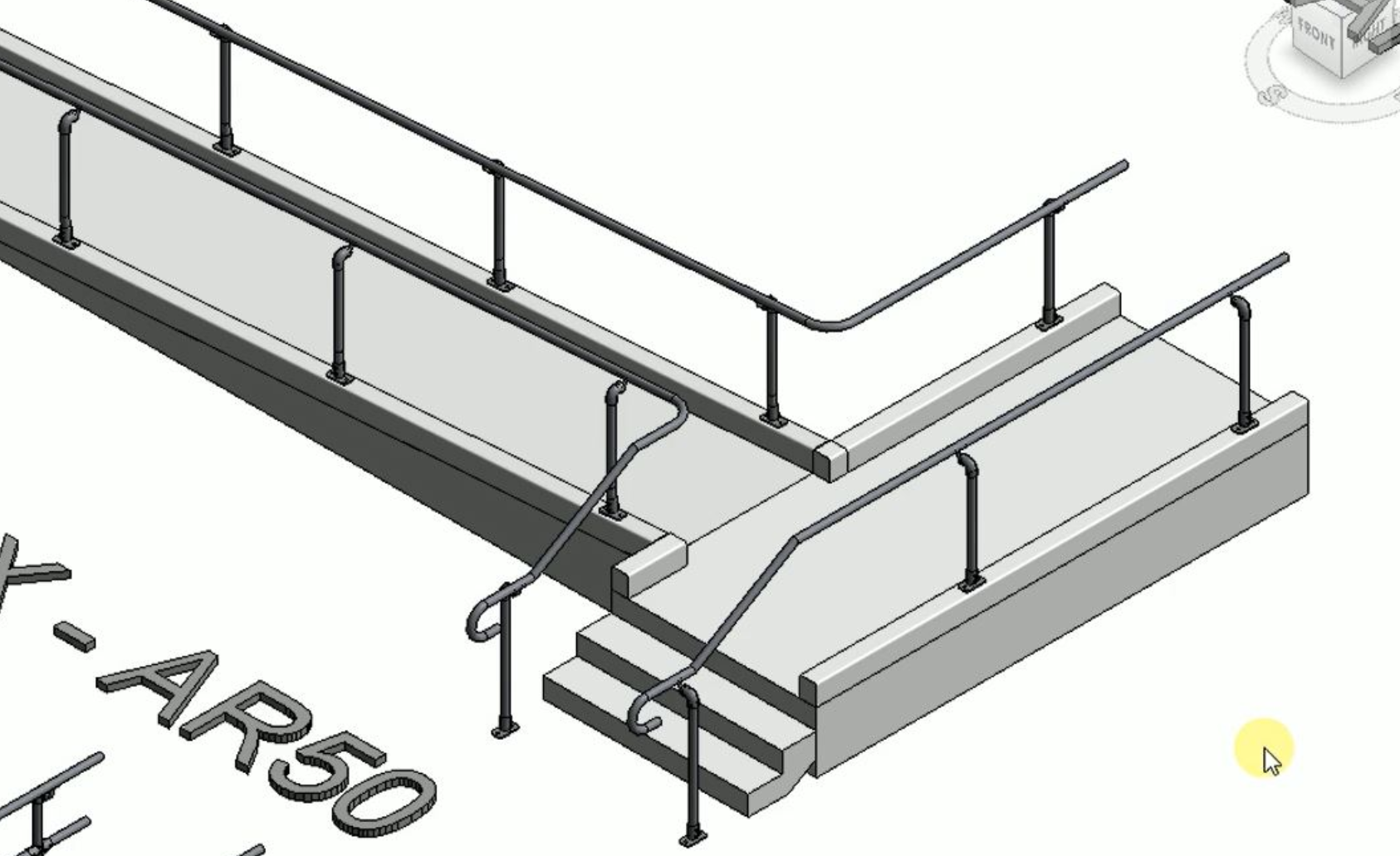
For much of the past decade, the BIM conversation has focused on adoption- getting digital tools into the hands of designers and embedding them in project workflows. Now, the focus is shifting towards the value of the information behind them.
In its September 2026 communique, the Australasian BIM Advisory Board (ABAB) described a new phase of digital maturity, where success is measured by the value created from digital information. The Board also supported a draft Australasian Strategic BIM Framework, intended to encourage greater consistency across jurisdictions.
For manufacturers like Moddex, this is an encouraging direction. It also reinforces an important responsibility – ensuring the digital product information designers rely on is accurate, relevant and current.
A BIM object is only as useful as the information behind it
At Moddex, our manufacturer-owned BIM content for proprietary handrail, balustrade and access systems is about more than representing a product visually.
According to Gavin Pedersen, Technical Specification Lead at Moddex, the real value of BIM content lies in its accuracy and connection to the physical system being specified.
“A BIM object that looks like a handrail is relatively easy to create. A model that accurately represents the system that will eventually be specified, engineered and supplied is far more useful,” Gavin explains.
Manufacturer-owned BIM content helps bridge the gap between digital design and the finished product, incorporating accurate configurations, materials, components, technical specifications and compliance information.
Just as importantly, this information needs to be maintained and updated as products evolve and relevant standards change, giving architects, engineers and specifiers greater confidence in the information they rely on.
Why trusted information matters
ABAB has highlighted the importance of reliable data, particularly as AI and automation play a greater role in analysis and decision-making.
Smarter tools cannot compensate for poor information. They can, however, make accurate, well-structured data more valuable.
For designers, BIM content should do more than look right on screen. It should support informed product selection, coordination and documentation, with information that reflects the system being considered.
Better information, earlier
Access to accurate manufacturer information early in design helps designers assess suitable systems, understand available configurations and make more informed decisions.
It can also strengthen the connection between design intent and what can ultimately be manufactured and supplied, helping reduce the risk of avoidable redesign or product substitutions.
BIM content does not replace project-specific design, engineering or compliance checks. It provides a more reliable starting point.
Where BIM goes from here
Greater digital maturity will require well-structured data, reliable maintenance processes and closer alignment between physical products and their digital representations.
At Moddex, we welcome this direction. Manufacturers have an important role in ensuring the information they provide is accurate, relevant and kept up to date.
As BIM moves from adoption to trusted information, the goal is not simply to add another object to the model. It is to give designers information they can rely on, from early design through to specification and delivery.