The release of SA HB 268:2026 Prefabricated building – Glossary of terms is a timely and welcome step for Australia’s construction industry. Developed by Standards Australia, the handbook provides a shared glossary for terminology used in prefabrication and Modern Methods of Construction.
While it is not a new compliance standard, it gives the industry a more consistent way of describing approaches that are becoming increasingly common across design, manufacturing, procurement and delivery.
For Moddex CEO Alvin Rowland, the value of the handbook is in helping the industry move beyond treating terms like modular, prefabricated and pre-engineered as interchangeable buzzwords, and toward a clearer shared understanding of what these approaches mean in practice.
“The way we describe modern construction methods has a real impact on how they are understood and adopted,” said Rowland. “When everyone is using the same words differently, it can create uncertainty before a project has even begun.”
This is especially important as prefabrication and MMC continue to expand beyond traditional building modules.
“As a supplier of pre-engineered, no-weld systems, we have seen how language can shape expectations from the very beginning of a project,” said Rowland.
“Words like modular or kitset can sometimes be mistaken for off-the-shelf or pick-and-pack, when in practice many modern systems are far more considered than that. They may use repeatable components, but the design still needs to respond to the site, the application and the compliance requirements.”
By creating a common reference point, SA HB 268:2026 supports more informed conversations between designers, builders, manufacturers, suppliers, asset owners and regulators.
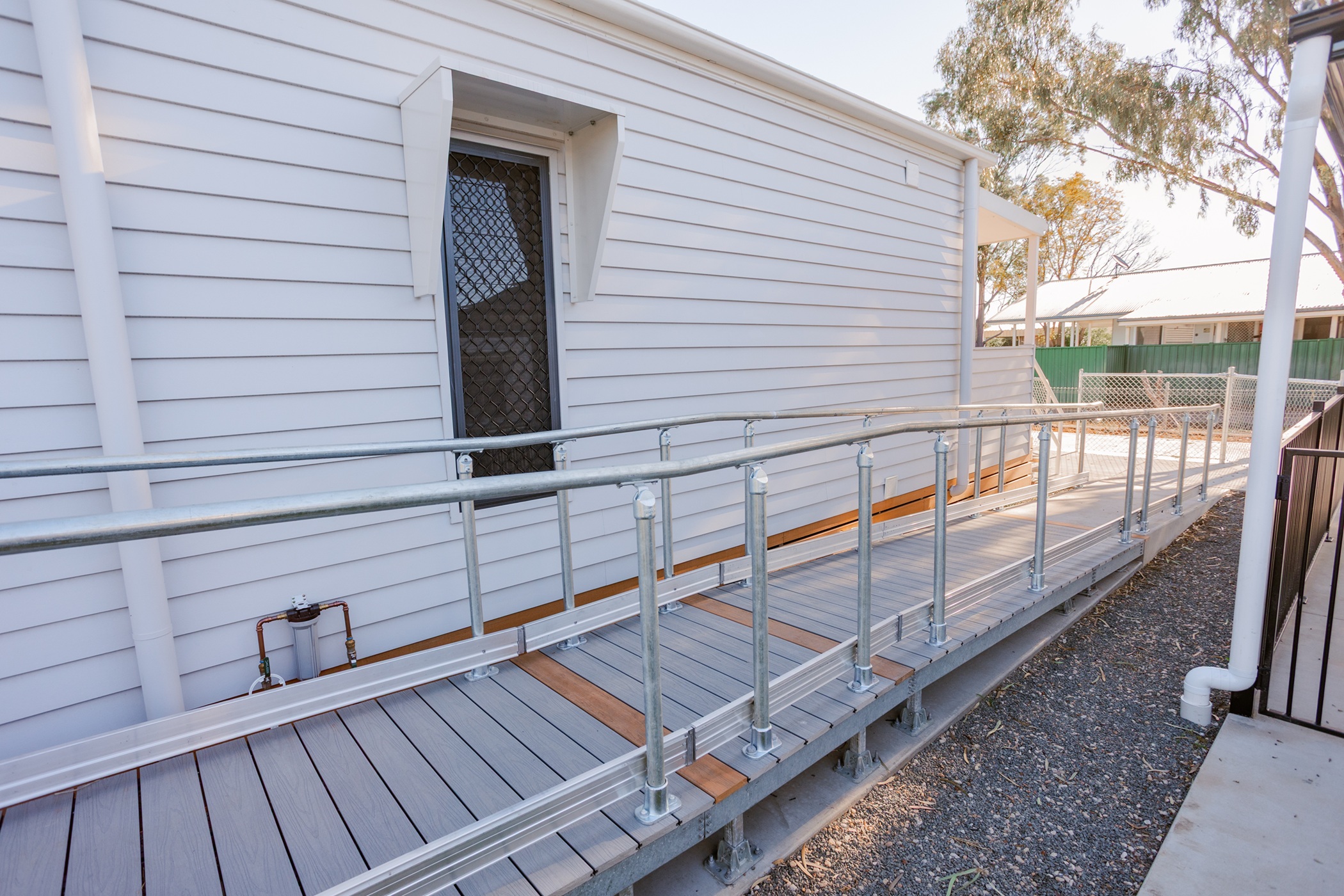
“This is a conversation we strongly support. Our systems may use modular components, but they are designed around project specific requirements, manufactured offsite and delivered as kitsets to support simpler, safer and more predictable installation,” Rowland added.
It also reflects the increasing maturity of prefabrication and Modern Methods of Construction in Australia, as the industry continues to look for more consistent, coordinated and predictable ways to build.